Safety from the start: how innovations in karting are making grassroots racing safer
From incident warning to crash research and prevention FIA Safety Week 2026 showed that the FIA is bringing a host of safety technology to entry level motor sport
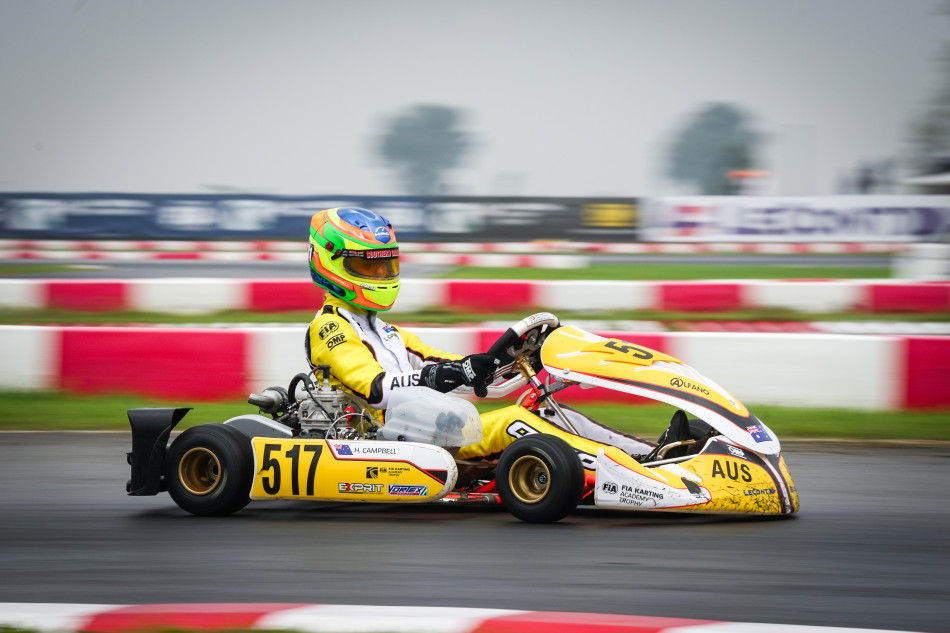
Safety at the motor sport’s entry level has taken a triple jump forward with the arrival of key innovations designed to keep competitors – often the youngest in the sport – safe from harm, and FIA Safety Week 2026 brought news and updates on each.
At the top of the list during day three’s Karting Safety Seminar was the Impact Data Recorder.
Introduced at the first round of the 2025 FIA Karting Academy Trophy (Senior) in Portugal, all competing karts carried an Impact Data Recorder (IDR) for the first time and the device is now mandated for wider use in 2026. Developed by the FIA with the support of the FIA Foundation, the low-cost data recorder registers key metrics such as impact G forces.
“The IDR will be mandatory in the FIA Karting Championship, Cup and Trophy competitions in 2026,” said FIA Karting Technical Manager Thomas Gomis. “From 2027 onwards it will also be mandatory for competitions inscribed in the FIA international calendar, such as the IAME series, Rotax International Challenge.
“It will be part of the driver safety equipment, bought by a competitor or team, and everything related to the sourcing process is in technical list 113. You can buy it via your ASN or via the supplier, depending on your country.
“What is it for? All FIA Safety Department studies and research must be data-driven and in order to find better safety solutions we need as much data as possible. And this system gives us that valuable data. After a crash, once the kart is coming back on the trailer an official—ASN or FIA technical delegate— will come with his cell phone app and simply scan the IDR. The IDR will upload the data of the crash, and we can make a proper report with pictures, with comments, anything like this, and you can just send this automatically, and it comes to the FIA database.”
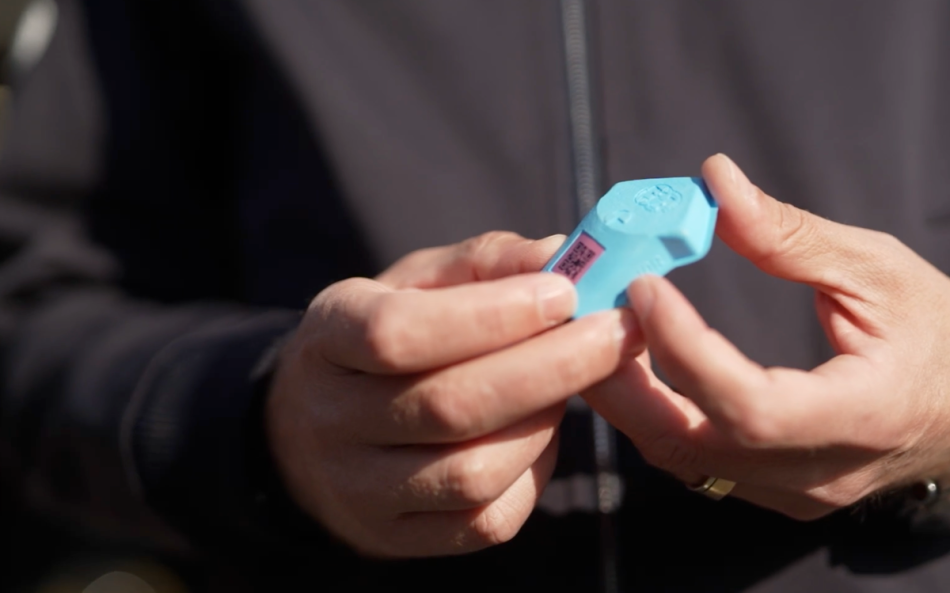
Gomis added that attaching the IDR correctly is extremely important. “The selected area is under the intake silencer on the right. It must be fixed properly, without any degree of freedom. The technical regulations have been updated with everything related to this sensor and it should be checked during the safety scrutineering before the event to make sure every driver is running with the system.”
Gomis then provided and update on the new anti-launch system developed by the FIA Safety Department. First tested last September in the Karting Academy Trophy event at the FIA Karting World Cup in Cremona, the rear-wheel protection system functions by preventing direct wheel-to-wheel contact between karts which can result in a kart becoming airborne or rollover.

“Again, anti-launch will be mandatory in FIA Karting Championships, Cups and Trophies from April 2026,” he said. “The target is to limit the risk of rollover as they are the main cause of serious injuries in karting. We began development in 2024, continued the development phase up to September 2025. We had good results, but some flaws. So, we have made some slight adjustments. The design was kept the same, but we changed the material to make it less brittle and more flexible. We have also slightly adjusted the position relative to the rear wheel, just to reduce the risk of hooking.
“The changes were made for the second race of the system, in Malaysia for the FIA Karting Arrive and Drive World Cup,” he added. “There, we had more than 100 drivers across the junior and senior categories, and again we had very good results. No rollovers and with the new material we had almost no damage, except in case of big crashes.
“We believe it’s relevant to implement it as soon as possible because it’s clearly a good safety improvement.”
The final safety development presented was also the most recent – a new trackside light panel standard specifically designed to enhance safety standards across FIA Karting events. Working with the FIA Karting Department as well as industry partners and laboratories the new standards for light panels cover the weight, size and quality of trackside light panels which are used to display flags and race critical instructions. The new panels are set to be rolled out across new FIA Karting circuits approved from this year.
“We detected a need to provide clear information at the right time to improve not only safety on track, but also the way in which information comes to officials,” said FIA Safety Equipment Engineer Ivo Palmeira. “It will help officials, and it will help the safety of competitors as they will have access to the right information.
“There has been standard for circuit light panels in use since 2019, but we decided to take all that knowledge, understand the needs of karting, and then develop a light panel that follows those needs. The result is the new standard, FIA 3506-2024.
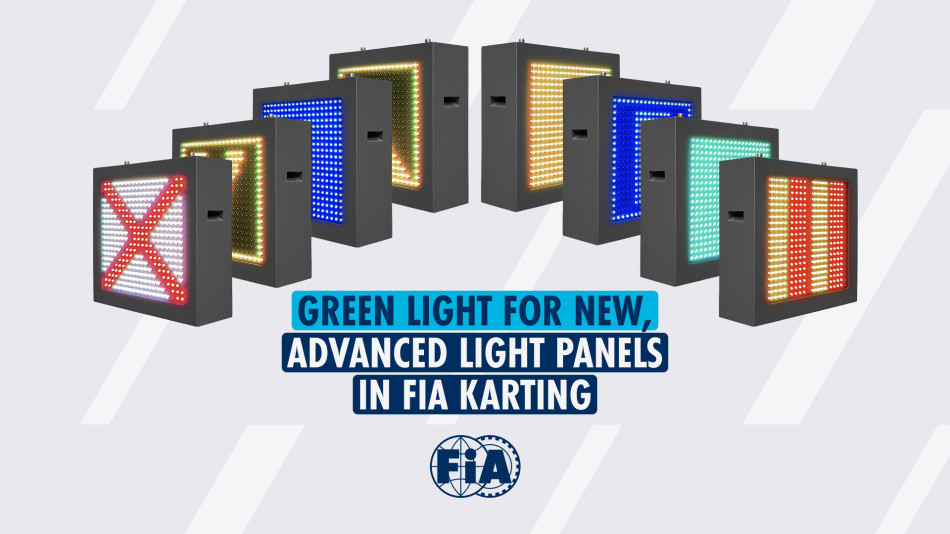
One of the main concerns, said Palmeira, was colour perception.
“Karting is a huge discipline all over the world, and there are a lot of people with colour deficiency,” he said. “So, we needed to make sure that the colours shown are the correct ones. We also control the glare to make sure that sunlight doesn’t affect performance and confuse the driver. We need it to be lightweight for the need of karting. Sometimes it’s difficult to extend a grid line, electrical line, over the track, so we want the panels to be lightweight with batteries.
“Along with those elements we have all the benefits of the FIA structure of homologation. We ensure traceability, quality control, durability, making sure manufacturers use the best equipment. Without this standard, we could not guarantee that a driver could race all over the world and see the same panel behaviour. Now we can.”
Palmeira concluded by saying that the goal now is for the panels to be mandatory at all Grade 1 and Grade 2 Karting circuits with the CIK-FIA licence from 2029.

 Facebook
 Twitter