FIA, its Region II (Asia-Pacific) and the Automobile Association Philippines host road safety leaders in Manila for UNITAR-powered Safe Mobility 4 All & 4 Life programme
- FIA, FIA Region II (Asia-Pacific) and the Automobile Association Philippines hosted 16 FIA Member Clubs and government officials from 15 countries in Manila for the UNITAR-powered FIA Safe Mobility 4 All & 4 Life programme.
- Launching the programme in FIA Region II aims to boost road safety across Asia-Pacific through training, mentoring, evidence-based action and stronger collaboration.
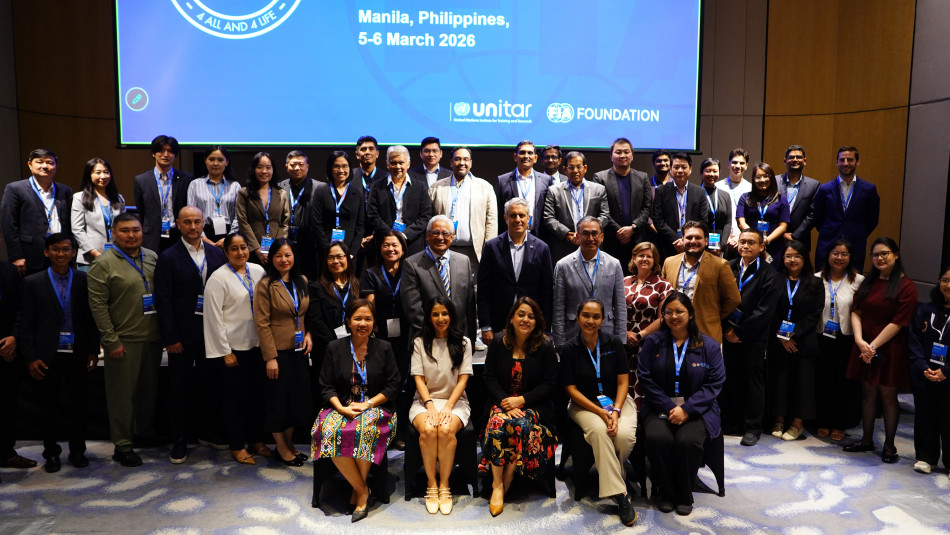
The Fédération Internationale de l'Automobile (FIA), the global governing body for motor sport and the federation for mobility organisations worldwide, together with FIA Region II (Asia-Pacific) and the Automobile Association Philippines (AAP), hosted road safety leaders from across Asia-Pacific in Manila for the second seminar of the FIA Safe Mobility 4 All & 4 Life programme in the region.
According to the World Health Organization, road traffic injuries remain a major challenge across Asia-Pacific, with the South-East Asia and Western Pacific regions accounting for more than half of global road traffic fatalities,1 highlighting the urgent need for coordinated action.
Developed by the FIA, in collaboration with the United Nations Institute for Training and Research (UNITAR) and with the support of the FIA Foundation, the FIA Safe Mobility 4 All and 4 Life programme aims to support local authorities and organisations with training, mentorship, and evidence-based actions to improve road safety for everyone.
Delivered through a mix of in-person seminars, online learning and mentorship, this FIA University initiative brings FIA Member Clubs and government authorities together to build capacity, learn side by side, and develop practical road safety projects that drive meaningful change with guidance from international experts.
Sessions explored how youth engagement, urban development and innovation support Sustainable Development Goals and the Decade of Action for Road Safety, while encouraging participants to apply data-driven strategies and share knowledge and expertise across the FIA network.
Delegates from 16 FIA Region II (Asia-Pacific) Member Clubs and government representatives from across 15 countries in the region took part in the seminar, including Australia, Bangladesh, Cambodia, India, Indonesia, Japan, Kyrgyzstan, Mongolia, Nepal, the Philippines, Singapore, Sri Lanka, Thailand, Uzbekistan and Vietnam.
Their participation highlights the strengthened partnerships between FIA Member Clubs and their government authorities to launch initiatives aimed at saving lives on the road.
Augustus ‘Joe’ Ferreria, FIA Region II President said: “By bringing our Member Clubs together with international partners and policymakers, we are building the regional network of leaders needed to create lasting, tangible change for road users across Asia-Pacific.
“Thank you to everyone who joined us over these two days, you have demonstrated how, through collaboration, innovation and accountability, we can accelerate progress towards safer and more sustainable mobility for everyone.”
Alex Mejía, Director of UNITAR’s Division for People and Social Development said: “Achieving sustainable and enduring road safety outcomes requires collaboration and knowledge-sharing across regions.
“With this edition of the FIA Safe Mobility 4 All & 4 Life programme, we hope to empower government leaders and FIA Clubs in Asia-Pacific with the skills and tools required to implement effective road safety strategies for their communities. We are in this together. And we are committed to saving lives.”
Stefano Ammirati, FIA Director for Road Safety and Global Advocacy said: “We have a collective responsibility to ensure that no road user is left behind as we work towards safer mobility systems worldwide.
“The FIA Safe Mobility 4 All & 4 Life programme supports evidence-based and scalable road safety solutions, translating global priorities into practical actions tailored to regional and national needs.”
 Facebook
 Twitter